

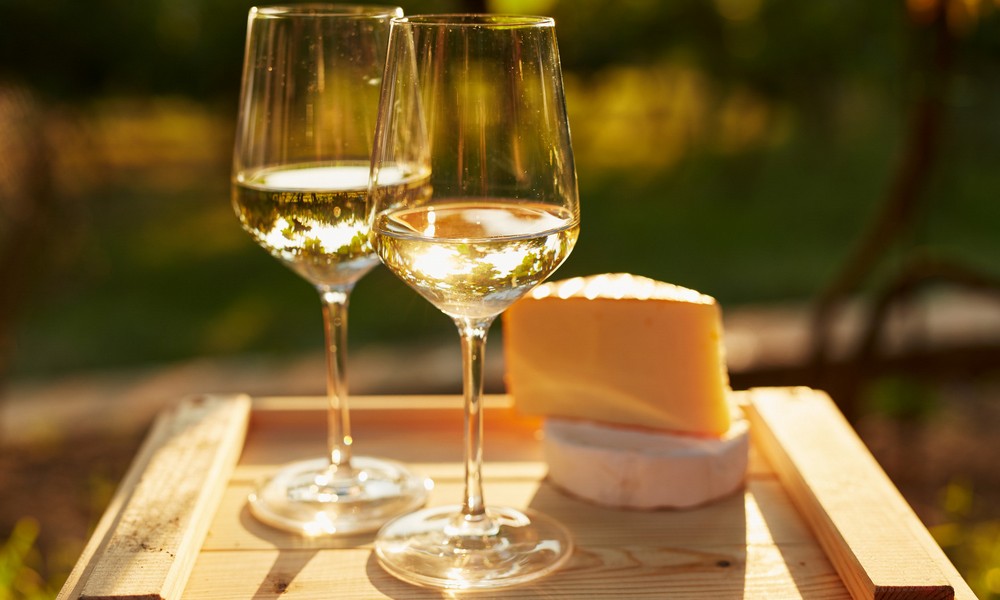
Discerning different notes in wine involves combining taste and smell with the presentation of the wine in a glass. This refined skill is easier to learn than you might first think. To help you pick it up, follow these tips from DAS Demo.
Vision
Begin your wine-tasting experience by adding a regular serving into a proper wine glass. Regardless of the type of wine, take a lingering look at the drink by lifting the glass against a white background. Slant the goblet away from you so the wine will flow towards the rim. Observe what color it is; focus on the wine between the top and middle of the glass. Assign each different wine a different color adjective. For reds, you might choose a designation of ruby, brick, maroon, purple, or garnet. A white wine might be straw-colored, golden, clear, pale yellow, brown, light green, or amber.
Determine the wine’s clarity. Opacity terms are usually paired in opposites like clear or cloudy, dark or watery, brilliant or dull, and opaque or translucent. Note that young red wines will be more opaque. Swirl the liquid gently in the glass and look for sediment, mentally noting floaters or bits of cork.
Aroma
Next, take in a hint of the scents by gingerly twirling the wine glass to release some of the alcohol for an initial impression. Breathe in deeply for a second reaction and try to name the reaction. Common scents in wine include berry, vanilla, citrus, oak, or flower. After implanting this sensation and description in your mind, swirl the liquid a third time to combine the aromas and take another sniff. This will prepare you for the taste.
Taste
To begin your actual tasting experience, take a small drink but do not swallow the wine right away. Instead, let it swirl around the tongue to determine the taste. Just like perfume which has a top, middle, and base note, wine has three phases: attack, evolution, and finish.
The attack phase has four components: tannin, acidity, residual sugar, and alcohol. Ideally, all four should blend together and give an impression of heavy or light, dry or sweet, firm or soft, and creamy or crisp.
The evolution is sometimes called the middle range or mid-palate. It is the actual taste and flavor profile of the wine. A red wine’s profile may include fruit, spice, woody, or smoky tones. If you get the taste of fruit when sampling red wine, classify it according to prune, berry, plum, or fig. Spices include clove, pepper, and cinnamon; cedar or oak are two common woody essences. For white wine, the evolution phase will include fruit as well, but these will be pear, apple, citrus, or tropical. You may taste butter, honey, herbs, or earthy flavors in a white wine.
The finish is the essence the wine leaves behind after it has been consumed. Think about how long the taste lingers and where on your palate it sticks. Identify the consistency according to full-bodied, like milk, or light-bodied, like drinking water. Record the last aroma impression in terms of oak, fruit, or butter.
Finshing up
To finalize your tasting session, document all your observations and add other personal notations, with additional adjectives noting the acidity and balance. That way, you can refer back to your notes and complement each meal with the most appropriate bottle of wine, whether dining in a luxury setting or taking in a casual meal. Most importantly, always record whether or not you enjoyed the wine, so you’ll know if you should buy it again or not.
